
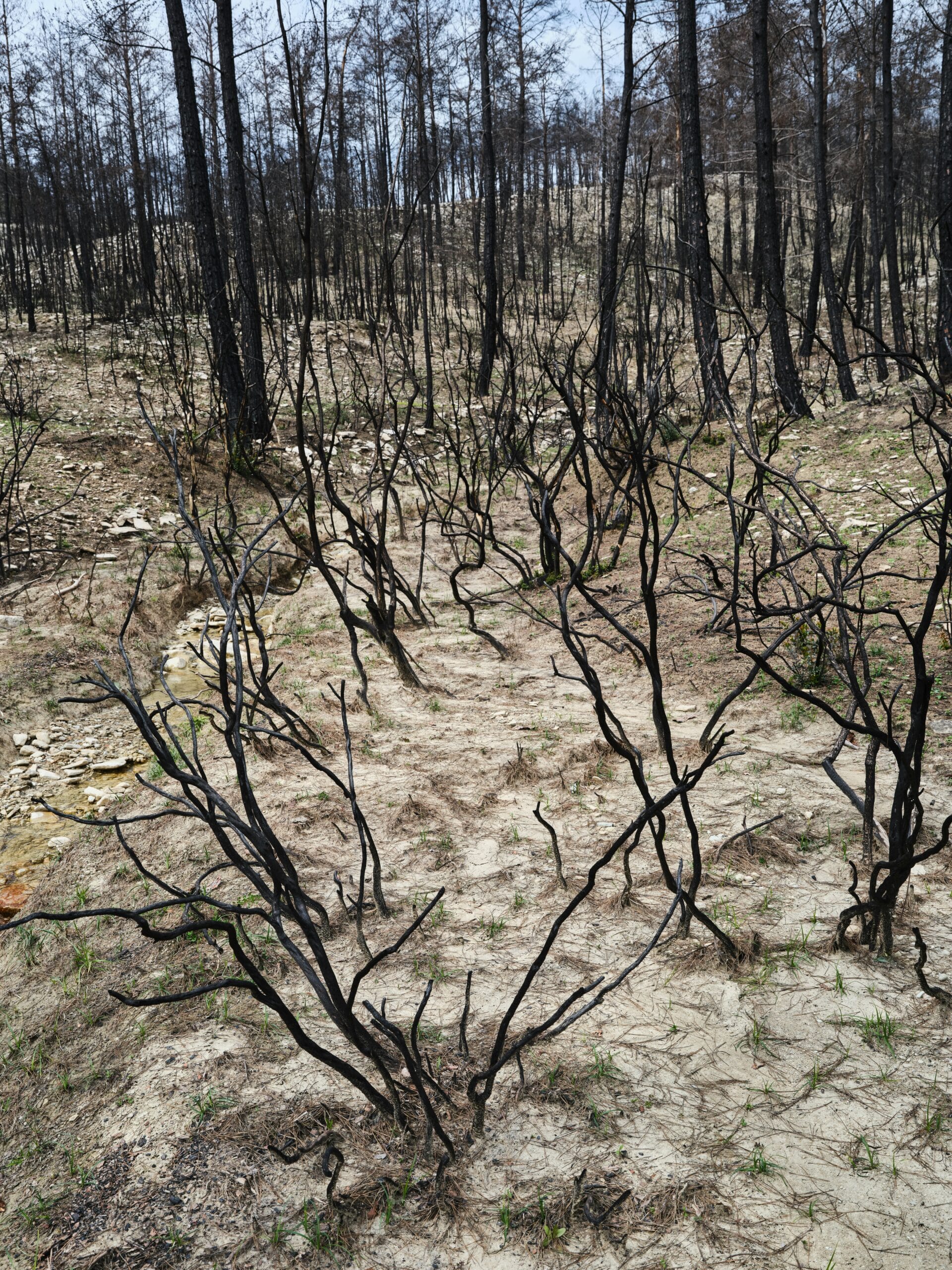
Natural catastrophes have become a pressing concern in recent years, with notable trends indicating an increasing frequency and severity of these events. This trend is particularly evident in secondary perils such as severe weather events, which include floods, storms, heatwaves, and wildfires. Understanding these developments is crucial for recalibrating models and developing tailored risk management strategies.
Understanding Natural Catastrophes
Natural catastrophes refer to extreme weather events that cause significant damage to property, infrastructure, and ecosystems. These can be classified into primary perils (like earthquakes and tsunamis) and secondary perils (such as floods, hurricanes, and droughts). The latter are increasingly recognized for their impact on communities and economies.
Trends in Frequency and Severity
- Increased Incidence of Severe Weather Events:
- Data from organizations like the National Oceanic and Atmospheric Administration (NOAA) indicate a marked increase in the number of severe weather events over the past few decades. For instance, the frequency of hurricanes has risen in certain regions due to changing ocean temperatures.
- The Intergovernmental Panel on Climate Change (IPCC) reports that climate change is likely contributing to more intense rainfall events, leading to increased flooding risks.
- Economic Impact:
- The economic toll from natural disasters has escalated significantly. According to Swiss Re’s sigma report, global economic losses from natural catastrophes reached unprecedented levels in recent years.
- Secondary perils often lead to compounded damages; for example, heavy rainfall can exacerbate existing flood conditions or lead to landslides.
- Geographical Distribution:
- Certain regions are experiencing more frequent severe weather patterns due to climatic shifts. Areas previously considered safe from certain types of natural disasters are now facing new risks.
- Urbanization plays a role here; cities with high population densities are particularly vulnerable as they may lack adequate infrastructure to cope with increased flooding or heatwaves.
Recalibrated Models
Given the evolving nature of natural catastrophes, there is a pressing need for recalibrated models that accurately reflect current risks:
- Data-Driven Approaches:
- Advanced data analytics and machine learning techniques are being employed to improve predictive models for natural disasters. These models incorporate real-time data on weather patterns, historical event analysis, and socio-economic factors.
- Geographic Information Systems (GIS) play a crucial role in visualizing risk areas and potential impacts on communities.
- Climate Projections:
- Future climate scenarios must be integrated into risk assessment models. This includes understanding how rising temperatures will affect storm intensity or precipitation patterns.
- The use of scenario analysis helps stakeholders prepare for various potential futures based on different levels of greenhouse gas emissions.
Tailored Risk Management Strategies
To effectively manage the risks associated with increasing natural catastrophes, tailored strategies must be developed:
- Insurance Industry Adaptations:
- Insurers are adjusting their underwriting practices by incorporating new data insights into their pricing models. This includes recognizing areas at higher risk due to climate change.
- Parametric insurance products are gaining traction; these pay out based on predefined triggers (like wind speed or rainfall levels), providing quicker financial relief post-disaster.
- Community Resilience Planning:
- Local governments are focusing on building resilience through improved infrastructure designed to withstand extreme weather conditions.
- Community engagement initiatives aim to educate residents about preparedness measures for severe weather events.
- Sustainability Practices:
- There is an increasing emphasis on sustainable practices that mitigate environmental impacts contributing to natural disasters. This includes reforestation efforts, wetland restoration, and urban planning that prioritizes green spaces.
The increasing frequency and severity of natural catastrophes necessitate a comprehensive approach involving recalibrated models and tailored risk management strategies. As we face more unpredictable weather patterns influenced by climate change, it becomes imperative for governments, businesses, insurers, and communities to adapt proactively rather than reactively.






Leave a Reply