
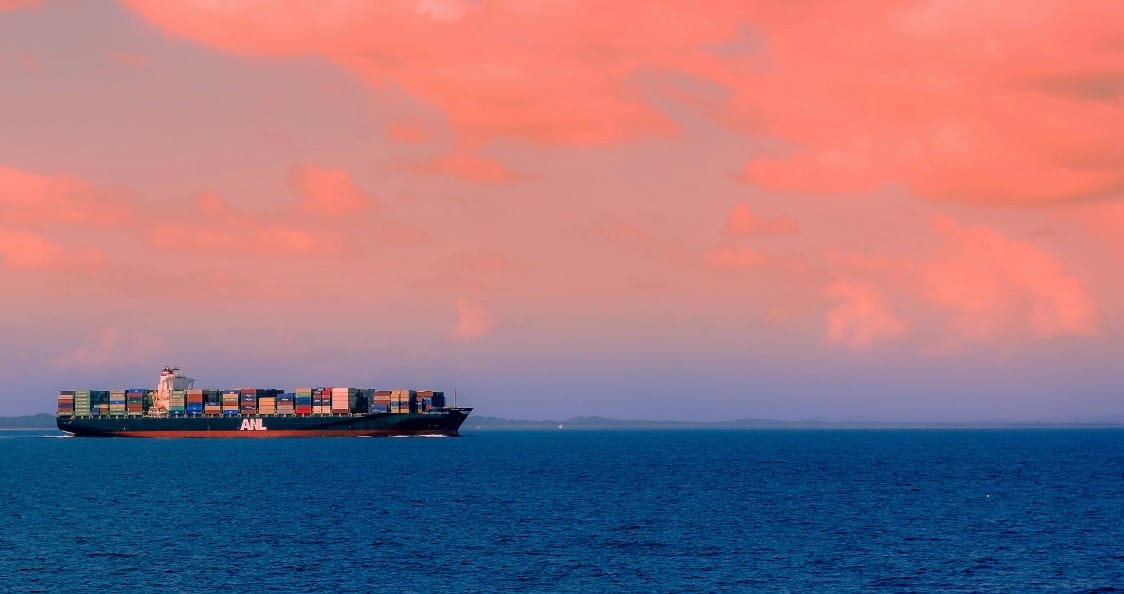
War and conflict have always threatened ships and cargo at sea. Although modern navigation, satellite tracking and international law have made global trade more sophisticated, the oceans remain vulnerable to political tension, armed conflict and organised violence. When war or hostilities break out, merchant vessels are often caught in the middle. For that reason, a specialized form of insurance exists to protect shipowners, cargo owners and other maritime businesses from losses caused by war-related events. This is known as war marine insurance.
This article explains what war marine risks are, how war marine insurance works, why it is separate from ordinary marine cover, how much it costs, and which markets and syndicates are able to provide such protection.
What Are War Marine Risks?
War marine risks are losses caused by hostile or politically motivated acts rather than natural maritime perils such as storms or collisions. In simple terms, they are risks that arise from conflict or organised violence at sea.
These risks can include:
• War between states
• Civil war or rebellion affecting coastal waters
• Missile or drone attacks on ships
• Naval mines
• Piracy and armed robbery at sea
• Terrorist attacks on vessels or ports
• Government seizure or requisition of ships
These events are very different from ordinary marine accidents. A storm or grounding affects one vessel at a time. War, however, can affect many ships at once and can cause enormous financial losses across an entire region. Because of this, insurers treat war risks separately.
Why Ordinary Marine Insurance Does Not Cover War
Standard marine insurance policies – whether for hull (the ship itself), cargo, or liability – normally contain what is known as a war exclusion clause. This clause removes cover for losses caused by war and similar hostile acts.
The reason is practical and financial. War risks are:
1. Unpredictable – Conflicts can escalate suddenly.
2. Widespread – Many ships can be affected at the same time.
3. Potentially catastrophic – A single missile strike on an oil tanker can cause damage running into hundreds of millions of pounds.
If ordinary insurers were forced to cover war losses automatically, they could quickly become insolvent. Therefore, war risk cover must be purchased separately.
What Is War Marine Insurance?
War marine insurance is a specialist policy designed to fill the gap left by the war exclusion clause. It restores cover for specific war-related perils under clearly defined terms.
War cover can apply to:
• The vessel (Hull War Risks)
• The cargo (Cargo War Risks)
• Freight or loss of earnings
• Political or confiscation risks in some cases
The policy wording normally defines exactly what is covered. Common insured perils include:
• Acts of war
• Civil war or revolution
• Hostile acts by a belligerent power
• Mines and torpedoes
• Piracy (in many modern policies)
• Seizure or detainment resulting from conflict
The wording is extremely important, as disputes often centre on whether an event qualifies as a “war peril”.
How War Marine Insurance Is Arranged
War marine insurance can be arranged in several ways.
1. Through Direct Insurers
Shipowners may purchase war cover from their usual marine insurer as an additional section of their policy. In many cases, it is added as a separate war risk extension.
2. Through Specialist Markets
Certain insurance markets specialise in high-risk marine business. London has historically been a major centre for marine war risks, but other regional markets also play a role, particularly where local shipping industries require tailored support.
3. Through Syndicates and Pools
Because war risks can be extremely large, insurers often work together through syndicates or pooling arrangements. A syndicate spreads the risk across many participants rather than leaving one company to bear the full exposure.
A regional example is the Arab War Risks Insurance Syndicate (AWRIS), which provides war risk capacity to insurers in the Arab region. Similar cooperative structures exist elsewhere to ensure capacity remains available even in difficult times.
Availability of War Marine Cover
In peaceful times, war marine insurance is generally available at reasonable cost. However, availability changes depending on world events.
When tensions rise in a particular region, insurers may:
• Increase premiums
• Impose special terms for certain waters
• Require notification before entering high-risk zones
• Limit the amount of cover
• Cancel cover with short notice (commonly seven days)
For example, if a shipping route passes through waters affected by armed conflict, insurers may classify the area as a “listed area” or “high-risk zone”. Ships entering that area may have to pay an additional premium for that voyage.
In extreme situations, commercial insurers may withdraw from a region altogether. At that point, specialist war risk markets or syndicates become especially important in maintaining cover.
The Cost of War Marine Insurance
Premiums for war marine cover are highly sensitive to global events. There is no fixed rate because the risk changes constantly.
Premium levels depend on:
• The value of the ship
• The value of the cargo
• The ship’s route
• The nature of the cargo (for example, oil tankers may attract higher premiums in conflict zones)
• The length of time spent in a high-risk area
• The current geopolitical situation
In stable conditions, war risk premiums are usually modest when compared to hull or cargo insurance. They may represent a small fraction of the vessel’s value.
However, during active conflict, premiums can increase dramatically. For a vessel transiting an active war zone, the additional premium for a single voyage may be substantial. In some cases, shipowners must weigh whether the cost of insurance makes the voyage commercially viable.
The Role of Reinsurance
Behind every war marine policy stands the reinsurance market.
Reinsurance is insurance for insurers. It allows primary insurers to pass on part of their risk to larger global reinsurers. This spreading of risk is essential for war exposures.
Because war losses can be severe and sudden, insurers rely heavily on reinsurance treaties. These treaties define how much risk is retained by the primary insurer and how much is passed to the reinsurer.
Without reinsurance support, most insurers would not be able to offer meaningful war cover at all.
Treaty and Facultative Arrangements
There are two main reinsurance structures involved in war marine risks:
Treaty Reinsurance
This is an ongoing agreement where a reinsurer automatically accepts a defined portion of the insurer’s war risk portfolio.
Facultative Reinsurance
This applies to specific, individual risks – for example, a very high-value tanker operating in a particularly dangerous area.
These structures help ensure sufficient financial backing for large losses.
How Claims Are Handled
If a ship suffers damage due to a war-related event, the claims process usually follows these steps:
1. Immediate notification to the insurer.
2. Investigation into the cause of the loss.
3. Confirmation that the event falls within the policy definition of a war peril.
4. Assessment of the damage and financial loss.
5. Settlement according to the agreed terms and limits.
Legal interpretation may be required if there is disagreement about whether the loss arose from a war peril or another excluded cause.
The Importance of Syndicates
Insurance syndicates play a particularly important role in war marine cover because they:
• Spread risk among many participants.
• Provide stability during volatile periods.
• Maintain regional capacity when international markets tighten.
• Allow profit and loss sharing across members.
Without syndicates and pooling mechanisms, the availability of war marine insurance could become severely restricted during times of conflict.
Challenges Facing the War Marine Insurance Market
The market faces several modern challenges:
• Increasing geopolitical instability.
• Use of advanced weapons such as drones and precision missiles.
• Cyber warfare targeting shipping systems.
• Concentration of trade through narrow maritime chokepoints.
• Rapid escalation of regional disputes.
Insurers must constantly monitor political developments and adjust their pricing and underwriting accordingly.
Why War Marine Insurance Matters
Global trade depends heavily on maritime transport. Energy supplies, food, manufactured goods and raw materials move across the oceans daily. If ships cannot obtain war risk insurance, they may be unable to operate in certain regions.
In practical terms, war marine insurance:
• Protects shipowners from catastrophic financial loss.
• Enables charterers and cargo owners to move goods with confidence.
• Supports the continuity of international trade.
• Stabilises maritime finance and investment.
Without this specialised cover, shipping in conflict-affected areas would often become impossible.
War marine risks are among the most serious threats faced by the shipping industry. They differ fundamentally from ordinary maritime dangers because they arise from organized violence and geopolitical conflict rather than natural events.
For this reason, standard marine insurance excludes them, and a separate form of cover – war marine insurance – is required.




Leave a Reply